Why 2026 Is the Year Expensive Plugins Die
For years, professional sound came with a price tag most independent artists couldn't touch. That's ending. Here's what changed, what a full pro vocal chain actually looks like now, and how to build one for a fraction of the old cost.
Home recording has always carried an invisible tax on independent artists. Not the studio time. Not the interface or the mic. The plugins. The software that turns a raw vocal into a finished record was built for commercial studios, and a full professional chain could cost thousands before you released a single song.
In 2026, that tax is collapsing. Expensive plugins aren't dying because they got worse. They're dying because the cheaper alternatives got just as good. For an independent artist, that quietly changes what's possible on your next release.
- A full pro vocal chain used to cost thousands. Today you can build an equal one for a small fraction of that.
- The change comes from three forces: cheaper processing power, faster modern development, and tools that reach artists directly.
- You only need six tools to mix a vocal: tuning, EQ, compression, de-essing, saturation, and reverb. This guide walks through the big three.
- Put the savings where they count, which is making and releasing more music.
Why did plugins ever cost so much?
Expensive plugins charged what they did for a reason. A vocal chain isn't one tool, it's a stack, and each piece shapes the sound a little more. For years, the industry-standard version of each piece ran anywhere from $100 to $500 or more.
That pricing made sense for who was buying. Commercial studios could write software off as a business cost and pass it on in hourly rates. The companies making the tools sold to professionals, priced for professionals, and updated on slow professional cycles. Nobody was building for the artist recording in a bedroom after work.
So if that was you, your options were bad: book studio time you couldn't really afford, pirate the tools and hope, or release music that couldn't quite compete on streaming. Millions of artists picked from those three doors for two decades.
What actually changed?
Three things happened at once, and together they knocked the legs out from under the expensive plugin.
- The technology opened up. The processing that once needed proprietary hardware and a huge research budget now runs comfortably on any laptop. The technical moat that justified the price is mostly gone.
- Modern development got fast. A new wave of developers can ship a powerful plugin quickly, wrap it in a clean visual interface, and update it constantly instead of once every few years. Tools improve monthly now, not per decade.
- Tools reach artists directly. No distributor markup, no gatekeepers in the middle. That's how a modern plugin can match the industry standard, look better doing it, and still cost a fraction of the price.
This is the shift a new generation of makers is built on, Rys Up Audio among them: rebuild the classics to be modern, affordable, and actually within reach of the people making the music.
What does a full vocal chain look like?
Here's the practical part. You don't need the priciest version of every tool. You need well-designed versions of six essentials, in roughly this order:
- Pitch and tuning keeps the vocal in key, from a gentle nudge to the full hard-tuned sound.
- EQ carves space so the vocal is clear and doesn't fight the beat.
- Compression evens out loud and quiet moments so every word lands.
- De-essing tames harsh "s" and "t" sounds.
- Saturation adds warmth, presence, and attitude.
- Reverb and delay place the vocal in a space and give it depth.
Learn what each one does and you can take a rough take to a release-ready sound at home. Today you can put that whole chain together from modern, affordable plugins for less than a single industry-standard plugin used to cost. Let's look at the three that do the heaviest lifting.
Compression: the tool that makes vocals sound expensive
If a mixed vocal sounds "glued" and yours doesn't, compression is usually the difference. A compressor listens to the level of your vocal and turns down the loud moments automatically, hundreds of times a minute, far faster and more consistently than riding a fader by hand.

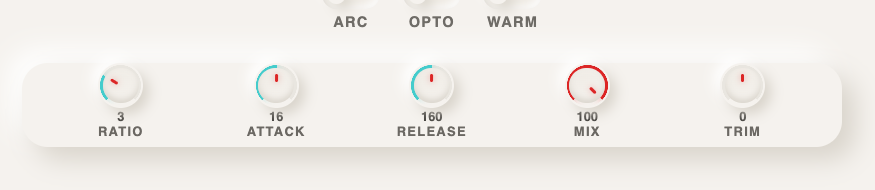
Two controls do most of the work. Threshold decides how loud the vocal has to get before the compressor steps in. Ratio decides how hard it steps in. Watch the gain reduction meter while you sing: if it's dancing between 3 and 6 dB on the loud lines, you're in the sweet spot for most modern vocals.
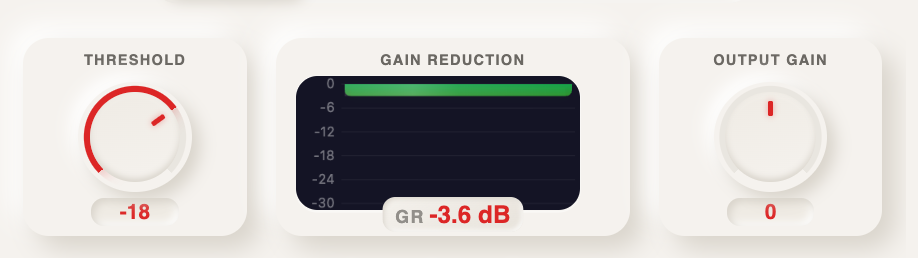
Classic studio compressors also came in flavors, and each flavor has a sound. Optical circuits are smooth and forgiving on vocals. FET designs are fast and aggressive. Modern affordable compressors now model several of these characters in one plugin, which used to require buying each style separately.
EQ: carving space so every word cuts through
A vocal rarely sounds bad because it's a bad take. It sounds bad because it's fighting the instruments for the same frequencies. EQ fixes that by turning some frequencies down and others up until the vocal has its own lane.

Three moves cover most vocals:
- Cut the low rumble. Roll off everything below about 80 Hz. Nothing useful lives down there in a vocal, only mud and mic noise.
- Sweep out the boxiness. Boost a narrow band, sweep it slowly through 200 to 500 Hz until the vocal sounds worst, then cut there instead. That's the honk hiding in most home recordings.
- Open the top. A gentle wide boost around 10 to 12 kHz adds the airy, expensive sheen you hear on commercial records.
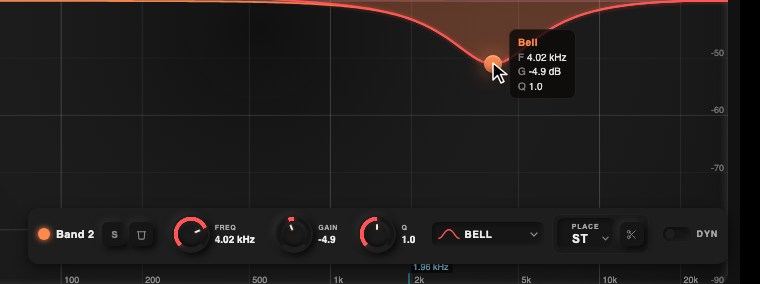
Older professional EQs made you do all of this through rows of tiny knobs. Modern ones let you grab the curve itself, watch the vocal's spectrum move underneath in real time, and hear the change as you drag. It's faster to learn and faster to use.
Pitch correction: the sound of the last twenty years
If one plugin stood for expensive pro software, it was the pitch corrector. Getting a vocal in tune, whether a gentle nudge or the full hard-tuned sound that defines modern rap, pop, and R&B hooks, used to sit behind the most expensive software in the room.

The workflow is simpler than its reputation. You tell the plugin what key your song is in, or tap the exact notes you want on a keyboard. Then one knob decides how fast the vocal snaps to those notes. Slow settings sound natural and invisible. Fast settings give you the robotic hard-tune effect on purpose.
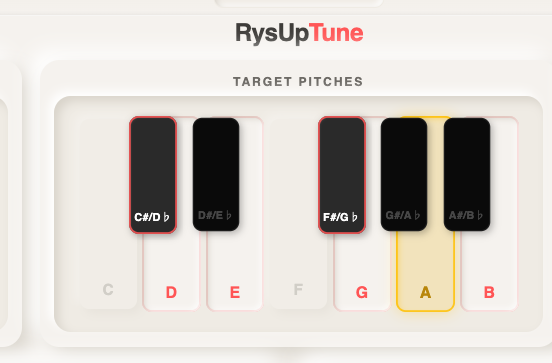
The second half of the sound is the speed. Around 40 ms feels natural on most vocals. Pull it near zero and you get the instant snap that reads as a deliberate effect.
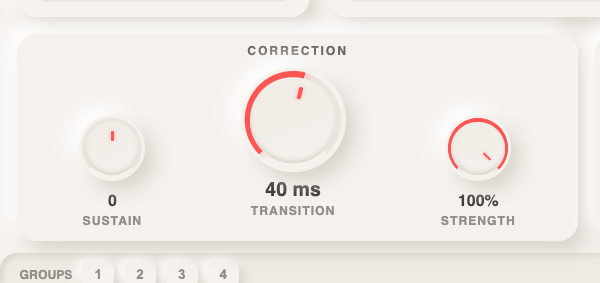
A plugin like RysUpTune delivers that whole twenty-year lineage of vocal sound at a price that would have sounded like a joke a few years ago. Multiply that across the rest of the chain and you can see why the old pricing model is falling apart.
What does the affordable route actually cost?
Here's the math that ends the argument. One industry-standard plugin used to cost as much as an entire modern chain:
| The old way | The 2026 way |
|---|---|
| One pro pitch corrector: $200 to $400 | A modern equivalent: around $50 |
| One pro EQ: $150 to $180 | A modern equivalent: around $50 |
| One pro compressor: $150 to $300 | A modern equivalent: around $50 |
| Full chain: $1,000 or more | Full suite subscriptions: about $10 a month |
Prices in the left column are what those categories commonly sold for over the last decade, before the constant sales that now try to hold the old model together. The direction is what matters: the gap is roughly ten to one, and the cheap side keeps improving faster.
Five beginner mistakes the tools can't fix
Affordable tools remove the money excuse, but a few habits still separate rough mixes from finished ones. Skip these and you're ahead of most:
- Over-tuning everything. Hard-tune is a choice, not a default. Try the natural setting first and keep the effect for hooks.
- Compressing until it's flat. If the meter shows 10 dB of gain reduction all the time, back the threshold off. You want control, not strangulation.
- Boosting instead of cutting. When something sounds wrong, find the ugly frequency and cut it. Boosts are for polish, cuts are for problems.
- Drowning the vocal in reverb. Modern vocals sit dry and up front. Use less space than feels exciting at 2 a.m.
- Mixing loud. Everything sounds good loud. Check your mix at low volume; if the vocal still cuts through, it's right.
Can you really test this for free?
Yes, and you should. Don't take my word for any of it. The fastest way to check the idea is to put a genuinely professional plugin on your next vocal without spending anything. RysUpAir is free, and it's the kind of top-end polish plugin that used to be studio-only. If a free plugin can hold its own against tools that cost hundreds, the argument makes itself.
Do affordable plugins actually work in my DAW?
Modern affordable plugins ship in the same formats as the expensive ones: AU, VST3, and AAX, on both Mac and Windows. If your DAW runs plugins at all, they load like any other.
Do I need all six tools before I start?
No. Start with tuning, EQ, and compression. Those three take a vocal most of the way. Add de-essing and saturation when you start hearing what they fix.
Will listeners hear the difference between cheap and expensive plugins?
In blind tests, almost never. What listeners hear is whether the vocal is in tune, controlled, and clear. Those come from the moves, not the logo on the plugin.
What order should the chain go in?
A solid default: tuning first, then EQ, compression, de-essing, saturation, and reverb or delay last. It's a starting point, not a law.
The bottom line
Expensive plugins aren't dying because they stopped working. They're dying because the alternatives caught up, then undercut them by a wide margin. The artists who win the next few years won't be the ones with the biggest budgets. They'll be the ones who move fast, get a pro sound for almost nothing, and put the savings back into making and releasing more music.
Once your record actually sounds finished, the last step is getting it heard. That's where a distributor like Ditto Music comes in, putting your track on Spotify, Apple Music, and every other platform, so the work you put into the sound reaches real listeners.
The tools finally caught up to independent artists. 2026 is the year that stops being a secret.